LPG vs Natural Gas at Home
Working out lpg vs natural gas starts with supply. Natural gas is methane that a metered network delivers to your home. LPG means liquefied petroleum gas, stored as a liquid in a bottle or tank and drawn off as gas when you use it. Queensland rules also allow reticulated LPG, which is LPG sent by pipe, so a pipe at the boundary is no proof of which fuel you have.
If we're late, $100 comes off your bill

- Licensed and InsuredEvery job done by a licensed plumber. QBCC No: 15024607
- Fixed Quote FirstFlat-rate pricing, agreed before any work starts
- Lifetime Labour WarrantyBacked by our Fix-It-or-It's-Free guarantee (T&Cs apply)
- $0 Call-Out FeesNo extra charge for nights, weekends or public holidays
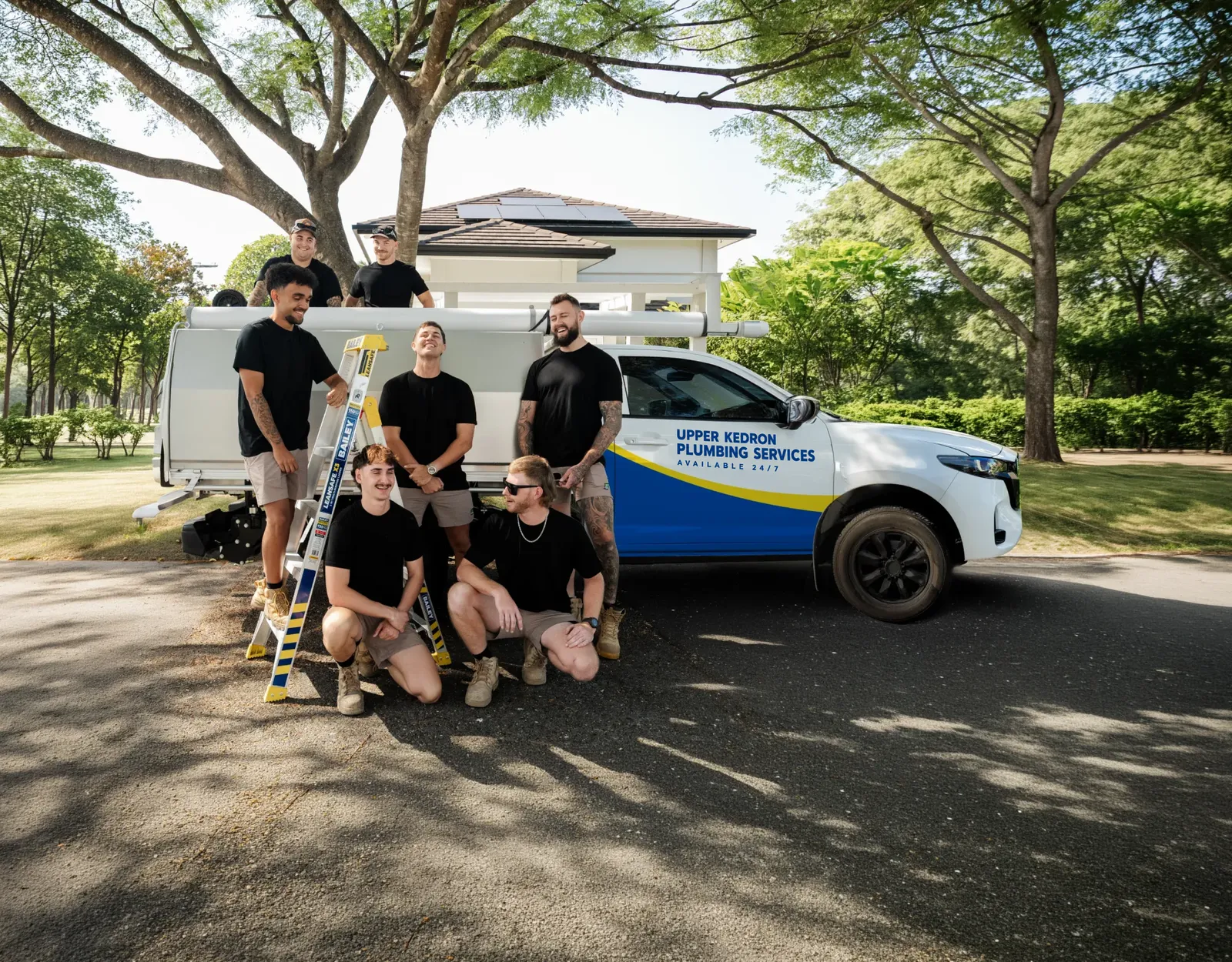
Plenty of Upper Kedron homes sit on larger blocks where a bottle or tank is the practical supply. This guide, from our licensed plumber team, sets out what differs between the two fuels, from refills to cooktop conversion.
Both gases are colourless and odourless in their natural state. A chemical called mercaptan is added so any leak carries a rotten-egg smell you cannot miss.
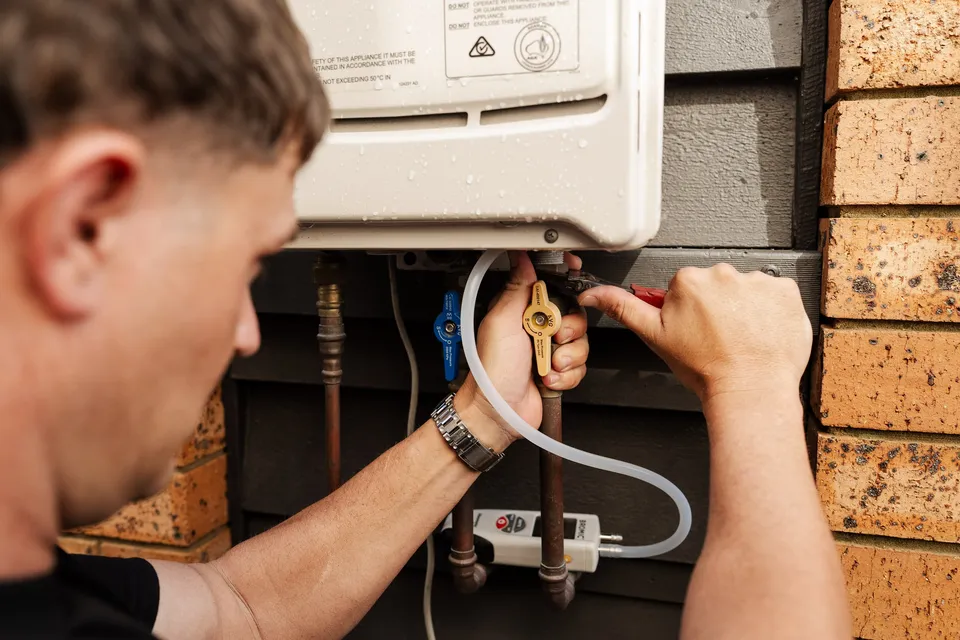
Mains Gas, Piped LPG and Bottled Gas
Natural gas reaches your property through a gas meter, and LPG arrives as a liquid that vaporises as you draw it off. Reticulated LPG also runs through pipes, so the only sure way to know your fuel is to check what is installed.
A home with a cylinder or tank is on LPG. A home with a gas meter is on a pipe carrying either mains gas or reticulated LPG.
The distinction matters when you buy an appliance. A cooktop sold for one fuel will not run correctly on the other without conversion work, and a heater or oven has the same limit.
Moving, Storing and Refilling an LPG Cylinder
A portable cylinder, usually 9 kg of LPG, needs a test stamp dated within the last ten years before a filling station will refill it. Staff check the date on every bottle that comes in. The stamp sits on the collar, so a quick look tells you whether your bottle is due for testing.
Carrying and storing rules keep a bottle safe between refills:
In the car
keep the cylinder secured and never inside the passenger compartment.
In use and in storage
keep the bottle somewhere with good airflow, clear of heat sources and anything that could spark.
Spare bottles
keep them in one designated secure spot, not scattered around the shed.
The valve
keep the valve shut whenever the bottle is idle, even when empty.
A cylinder that stays connected to your supply is looked after by the LPG distributor, which maintains and tests the bottle. If a connected cylinder smells or shows damage, phone the distributor. Never attempt a cylinder valve repair or removal on your own.
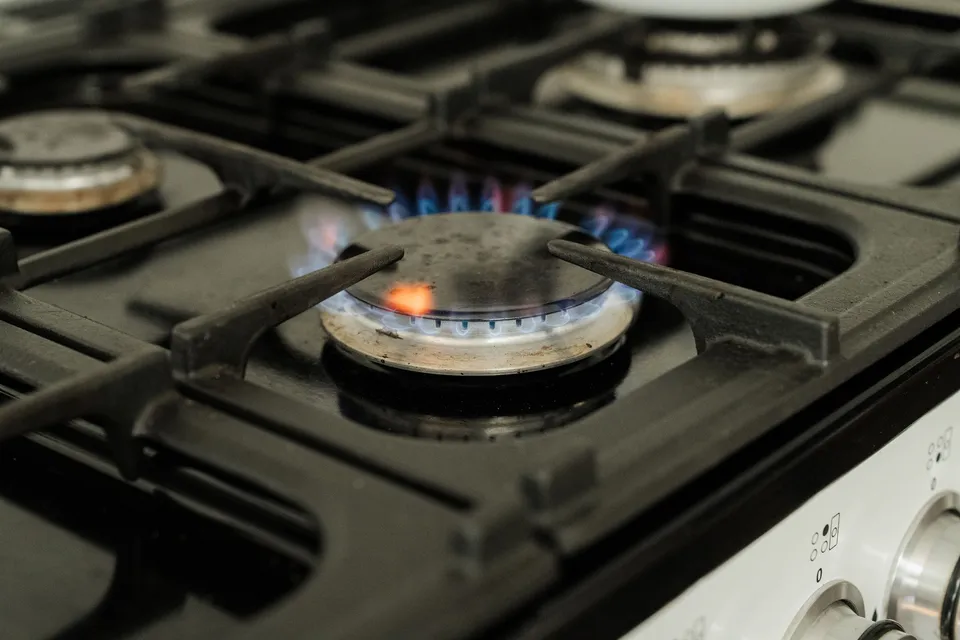
How a Leak Behaves in Each Gas
Methane weighs less than air, so a natural gas leak climbs and can thin out in open air, while LPG weighs more and settles low. Because of that weight, an LPG leak can gather in low-lying areas and in drains, which is why airflow matters around bottles.
Neither fuel is poisonous or toxic, though both burn readily. A room filled with either can push oxygen out, leaving nausea, dizziness and, ultimately, asphyxiation.
The Queensland steps for a smell are the same for both fuels. Switch the appliance off, open doors and windows, and leave switches alone. If the smell lingers, shut the supply down at the meter or the cylinder, then call.
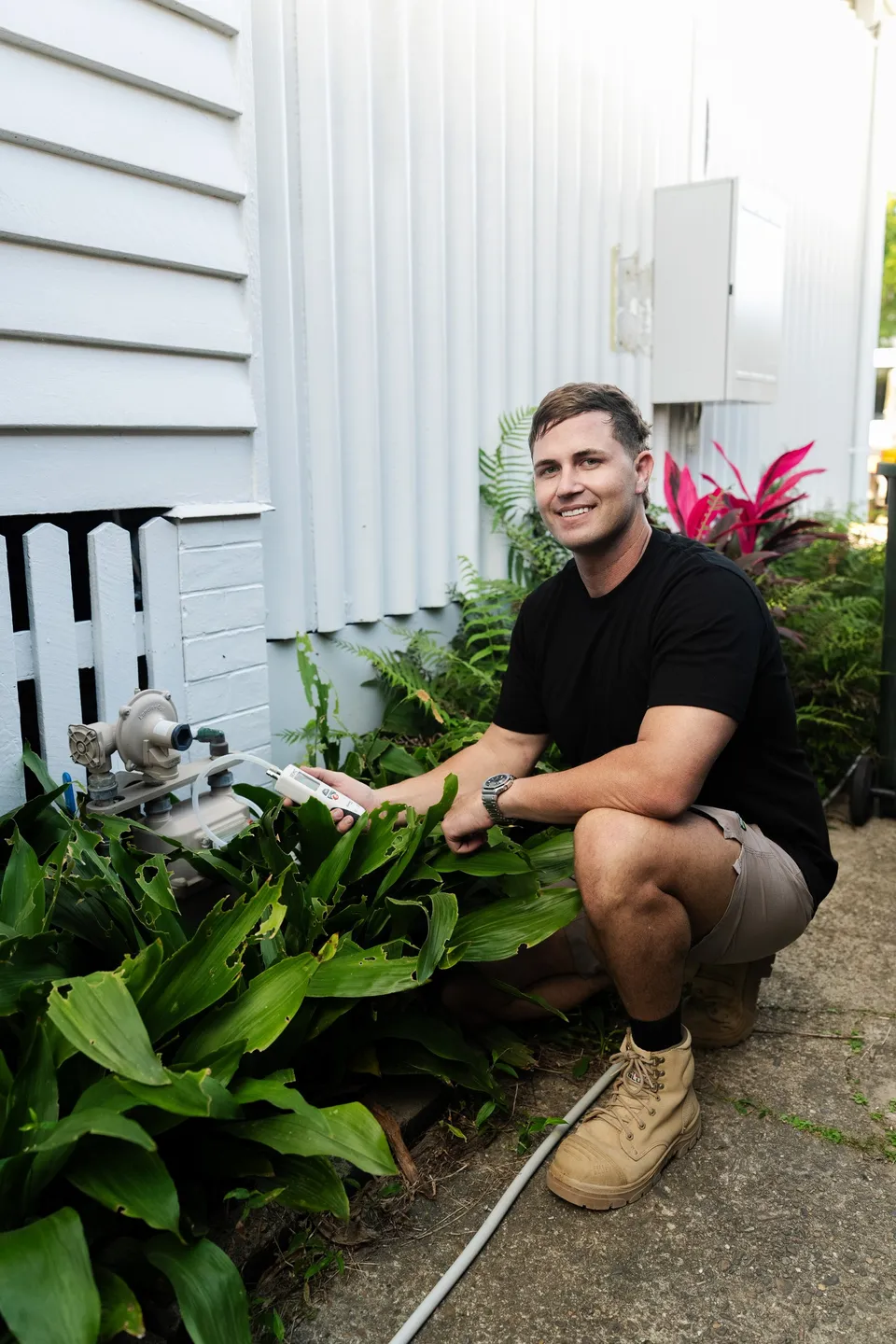
Can You Convert a Cooktop Between LPG and Natural Gas
Yes, conversion is possible, but only through proper gas work. Most gas appliances are manufactured for one fuel only, so moving a cooktop between an LPG home and a natural gas home means a conversion, not a settings tweak.
The conversion itself is a job for a licensed gasfitter, who fits the parts the appliance maker supplies for that model and verifies the result before the cooktop goes back into service. Where the maker does not supply conversion parts for a model, that appliance stays on its original fuel. Our gas cooktop installation page covers what a new connection involves.
One habit worth forming with any gasfitter, in Upper Kedron or anywhere in Queensland: always ask to see the licence for gas work before anyone starts. Gas work means installing, changing, fixing, servicing, testing and certifying gas systems and their pipework, and the law reserves it for a licensed gasfitter.
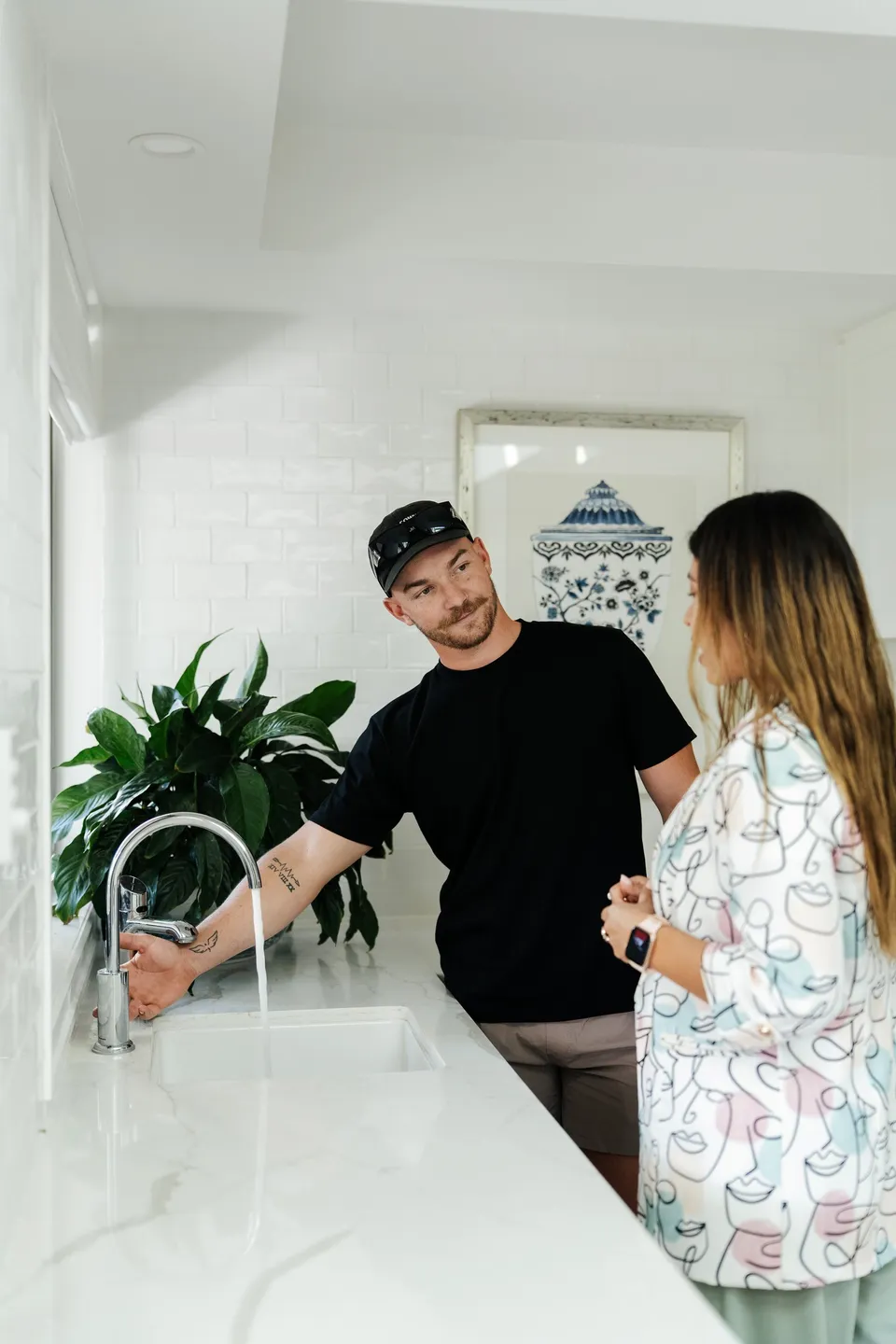
When to Call a Plumber
Ring a licensed gasfitter whenever a fuel change is on the cards. Three calls fit that bill:
- a new cooktop on a different gas;
- a conversion after moving into a home with the other supply;
- a service check on an appliance that has not been looked at in years.
Cookers, barbecues and similar appliances deserve periodic checks by a licensed gasfitter, and installation should always follow the manufacturer's instructions. If you buy a cooker near the Ferny Grove station precinct, bring the model details when you call and we will confirm what a fuel change needs.
Gas Questions From Upper Kedron Homes
Call (07) 3524 0766What is the difference between LPG and natural gas?
Natural gas is methane, piped to your home from a metered network, while LPG arrives as bottled or tanked petroleum gas, sometimes piped instead. A methane leak rises; LPG settles low. Both carry an added rotten-egg scent.
Is LPG more dangerous than natural gas for Upper Kedron homes?
No, neither gas is poisonous or toxic, and both burn readily. They differ in where a leak collects: methane rises, and LPG sits low. Queensland's advice for a gas smell applies to both fuels equally, so follow it and call for help.
Can a gas cooktop run on both LPG and natural gas?
No, nearly all gas appliances leave the factory set for one fuel only. Shifting a cooktop to a house on the other supply needs a conversion by a licensed gasfitter, using the maker's parts where the maker supplies them for that model.
Who may convert a gas appliance in Upper Kedron?
Only a licensed gasfitter. Gas work covers everything from installation to repair, service, testing and certification of a gas system and its pipework. Sight the gas work licence before anyone touches the job on your Upper Kedron home.

Talk to Us About Your Fuel ChangeWe'll call you back.
Phone (07) 3524 0766 for a licensed plumber in Upper Kedron. We work under QBCC No: 15024607, with flat-rate pricing, no hidden fees and same-day where we can.
To claim your $0 call-out fee, call (07) 3524 0766 today.